


 Language: English











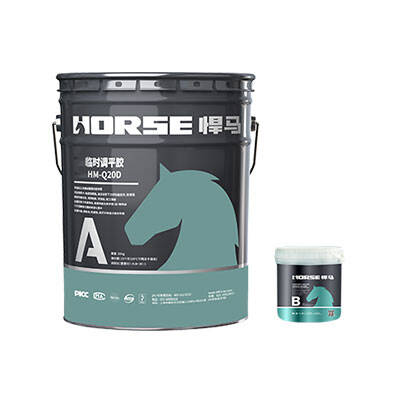
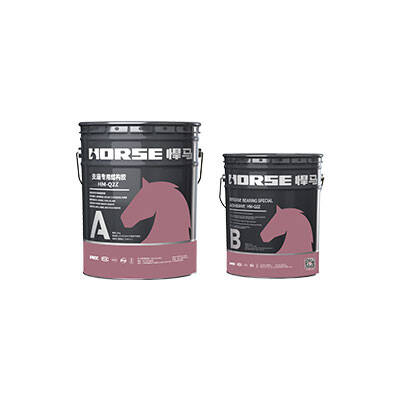
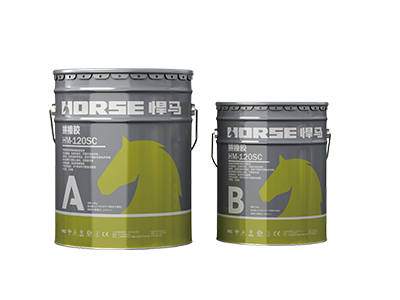
Solutions
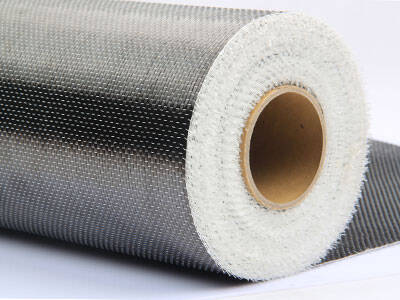
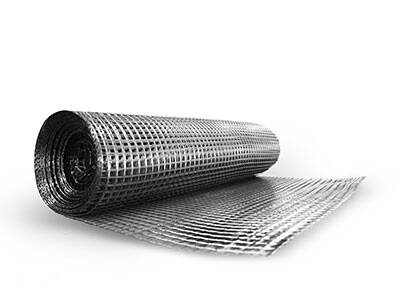
Horse Construction offers full range of structural strengthening materials with technical supports, documentation supports, products supports, project supports.
Bonding a CFRP plate to the tension side of a wall is essentially adding a layer of "external rebar" — except lighter, thinner, corrosion-resistant, and faster to install.

Why CFRP Plates Work for Load-Bearing Walls?
Concrete load-bearing walls are the primary lateral force-resisting elements in a building. They simultaneously carry vertical loads and resist horizontal shear from seismic events and wind forces. When walls deteriorate due to the following conditions, their load-bearing capacity drops significantly:
Carbonation or rebar corrosion leading to section loss
Construction defects such as honeycombing, voids, or inadequate concrete strength
Change of use, where imposed loads exceed the original design
Seismic damage, with cracking and concrete disintegration
The core mechanism of CFRP (Carbon Fiber Reinforced Polymer) plate strengthening is straightforward: CFRP has an ultimate tensile strength approximately 7–10 times that of ordinary steel. When bonded to the tension face of a concrete wall, the plate acts as external reinforcement, sharing tensile stresses, restricting crack propagation, and improving both flexural and shear capacity.
Bonding a CFRP plate to the tension side of a wall is essentially adding a layer of "external rebar" — except lighter, thinner, corrosion-resistant, and faster to install.
When CFRP Plate Strengthening Is Appropriate?
CFRP is not a universal solution. The following conditions directly determine whether the strengthening will be effective:
Wall Condition Requirements
Minimum concrete compressive strength: C20 or above. Below this threshold, the substrate bond strength becomes insufficient for reliable load transfer.
No crushing, localized compression failure, or severe disintegration. The structure must remain globally stable.
Wall thickness must accommodate plate bonding and adequate end anchorage.
Matching the Strengthening Objective
CFRP plate strengthening addresses the following conditions effectively:
| Strengthening Objective | How CFRP Plates Help |
| Insufficient flexural capacity | Plate carries tensile forces, increasing moment resistance |
Seismic retrofit | Restrict shear failure, improve ductility |
Crack control | Limits crack width, improves appearance and durability |
| Local damage repair | Replaces jacketing, restores honeycombed or spalled areas |
Critical Construction Controls
Substrate Preparation — the Make-or-Break Factor
Shot-blast or grind the concrete surface to remove carbonated layers and loose material, exposing sound substrate.
Clean with high-pressure water or acetone. Surface must be free of dust, oil, grease, and moisture.
Surface flatness tolerance: ≤ 3 mm gap under a 2 m straightedge.
CFRP Plate Bonding Quality Control
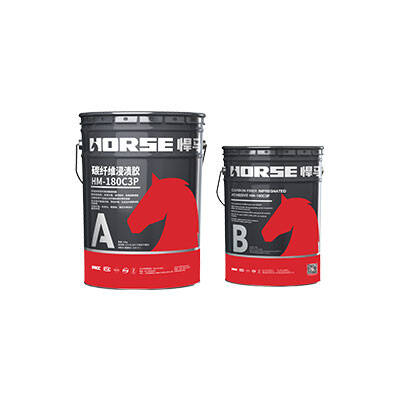
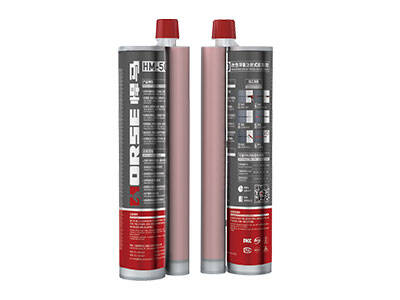
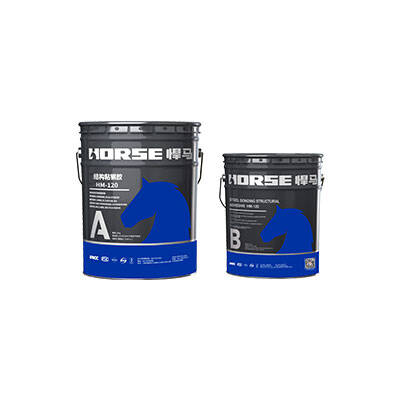
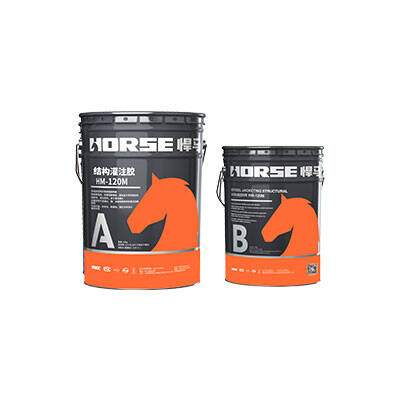
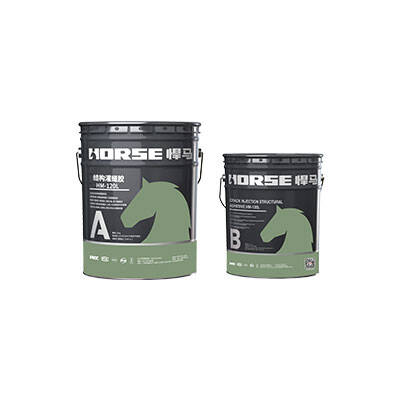
Use a CFRP-compatible structural epoxy adhesive (Carbon Fiber Adhesive). Mix components A and B strictly per manufacturer's ratio.
After placing the plate, use a dedicated roller to compact repeatedly, squeezing out air bubbles. Target adhesive layer thickness: 2–3 mm.
During curing, prohibit any vibration or loading. Follow manufacturer's temperature and time specifications strictly.
End Anchorage — Never Skipped
Plate terminations are stress concentration points and the weakest link in the system. One of the following anchorage methods must be employed:
U-shaped CFRP wrap anchors: Fiber sheet wrapped around three faces of the wall, gripping the plate end.
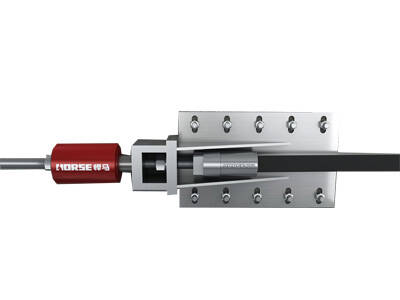
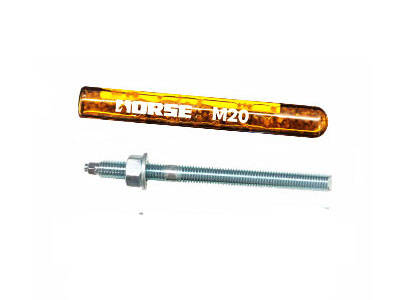
Mechanical anchor bolts: Stainless steel bolts with steel plate washers providing mechanical clamping at plate ends.
Steel plate and bolt combination: Steel plate bonded and bolted at the plate end, anchoring it to the wall.
Limitations and Honest Boundaries
Bond Interface Is the Weak Link. The bond between CFRP and concrete is significantly weaker than the respective material strengths of either component. Debonding is the primary failure mode. Designers must rigorously verify bond capacity and anchorage length — never treat this as a minor detail.
Fire Resistance Is Limited. Carbon fiber loses mechanical properties rapidly above 300°C (572°F). In fire-risk environments, additional fire protection coatings or fire-rated covering systems are required.
Not Suitable for Compression or Shear-Compression Failures.If the wall has already experienced concrete crushing, localized compression failure, or severe disintegration, CFRP cannot provide adequate compressive capacity. Jacketing, steel encasement, or concrete enlargement are the appropriate solutions.
Stiffness Contribution Is Limited.While CFRP effectively increases load-bearing capacity, its contribution to overall structural stiffness is modest. If stiffness deficiency is the primary problem, other strengthening methods should be considered holistically.
You can find anything here you are in need of, have a trust trying on these products, you will find the big difference after that.

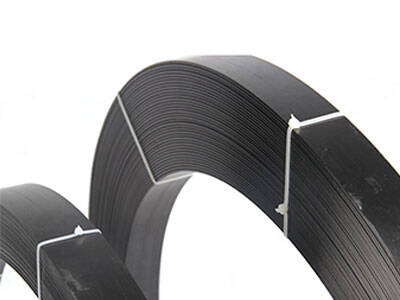
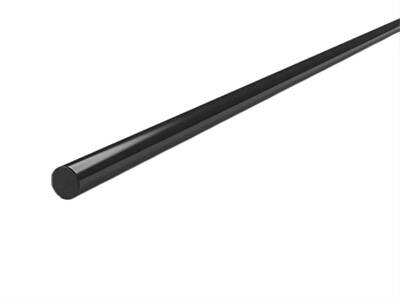
High strength carbon fiber reinforced polymer (CFRP) strip / laminate / plate for structural strengthening and concrete repair

High strength carbon fiber reinforced polymer plate adhesive for applying CFRP laminate/strip/plate on the structural members

High strength carbon fiber reinforced polymer(CFRP) plate for structural strengthening and concrete repair
