


 Language: English











Solutions
Horse Construction offers full range of structural strengthening materials with technical supports, documentation supports, products supports, project supports.
Prestressed Carbon Fiber Plates
Construction Process for Prestressed Carbon Fiber Plates

Draw special construction drawings for prestressed carbon fiber plate reinforcement, clarify parameters including designed prestress, carbon plate specification, anchor position and tension control value.
Organize joint review by design, construction and supervision teams to confirm tension construction plan, anti-risk measures and acceptance standards.
Compile operation technical disclosure documents and conduct safety & technical training for construction workers.
Check incoming materials: prestressed carbon fiber plates, matched epoxy primer & bonding adhesive, wedge prestressed anchor assemblies, chemical anchor bolts.
Inspect tension equipment: calibrated hydraulic jack, pressure gauge, displacement caliper; verify calibration certificates within valid period.
Inspect supporting tools: angle grinder, industrial vacuum cleaner, hole drilling machine, mortar repair scraper, measuring tape, ink marker.
Quality inspector checks product certificates and test reports; conduct sampling re-inspection of mechanical properties. All materials can only be used after passing acceptance filing.
Use steel bar detector to scan internal steel bars of concrete column, avoid main reinforcement when marking anchor groove positions.
Snap center lines for carbon fiber plates, outline lines for fixed-end and tension-end anchor grooves with ink marker.
Mark elevation reference lines, check verticality and dimension of the column to record structural defects such as cracks and honeycombs.
Grind the reinforcement area of column with angle grinder to remove laitance, loose and hollow concrete layers until solid aggregate is exposed.
Fill cracks, honeycombs and pits with epoxy repair mortar to level the base surface; control flatness error within 2mm.
Remove all dust with industrial vacuum cleaner, then wipe the surface with acetone to clear oil stains and residues.
Leave the base surface to air dry completely before next procedure.
Inspect flatness with 2m straightedge; check compactness and hollowing with hollow hammer.
If failed: Return to re-grind and repair the base surface, repeat inspection until qualified.
If passed: Proceed to anchor groove cutting and chemical anchor bolt installation.

Cut anchor mounting grooves at both ends along marked outlines with electric pick, remove broken stones and dust inside grooves thoroughly.
Drill bolt holes according to design size, clean holes repeatedly with blow gun and brush.
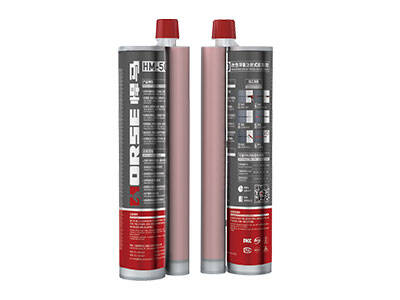
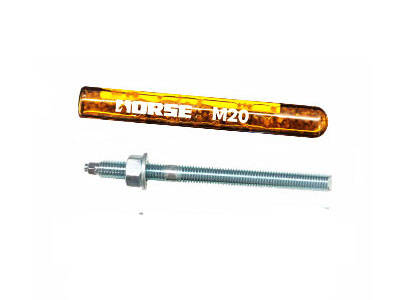
Inject chemical anchor adhesive into holes, insert anchor bolts vertically, stand still until adhesive fully cured to reach design bearing capacity.
Recheck verticality and pull-out resistance of anchor bolts to guarantee stable support for anchor assemblies.
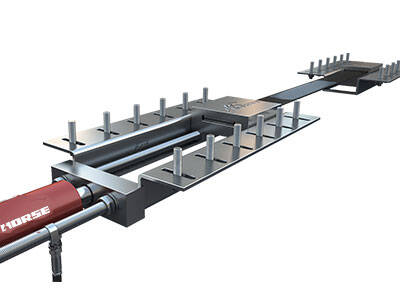
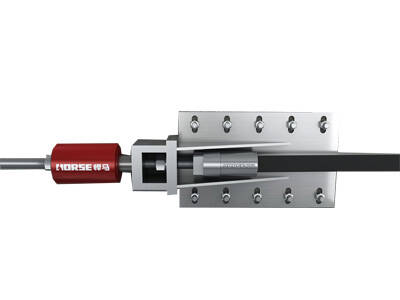
Install anchor base plates, wedge clips and limit components for fixed end and tension end separately.
Adjust horizontal & vertical position of two-end anchors to ensure the central axis is fully consistent with carbon fiber plate.
Tighten anchor bolt nuts to fix anchor seats firmly without displacement.
Cut prestressed carbon fiber plates to designed length with cutting machine, polish burrs on cutting edges.
Mix epoxy bonding adhesive strictly by designated weight ratio, stir evenly and stand for defoaming.
Coat uniform adhesive layer on both bonding side of carbon plate and treated concrete column surface, control coating thickness as required.

Clamp two ends of carbon plate into wedge clips of anchors and apply preliminary pre-tightening force.
Mount calibrated hydraulic jack on tension end, connect pressure pipeline and displacement measuring tool.
Conduct graded tension step by step, hold load for 5 minutes at each grade; record hydraulic pressure value and carbon plate elongation synchronously.
After reaching designed prestress, maintain pressure and lock wedge clips to fix the prestressed state of carbon plate.
Remove jack after stable locking without slippage of anchors.

Keep continuous prestress state during curing; forbid collision, vibration or disturbance on columns and anchor systems.
Maintain at normal temperature for more than 24 hours until epoxy bonding adhesive is completely cured.
Take rainproof and dustproof covering measures if construction is outdoors.

Overall QC acceptance: Check fullness of adhesive bonding, no hollowing or debonding between carbon plate and concrete; review tension construction records, confirm no anchor slippage.
Repair minor surface gaps with repair adhesive if needed.
Coat fire-resistant and anti-corrosion protective coating on the surface of carbon fiber plate and anchor components after passing acceptance.

You can find anything here you are in need of, have a trust trying on these products, you will find the big difference after that.

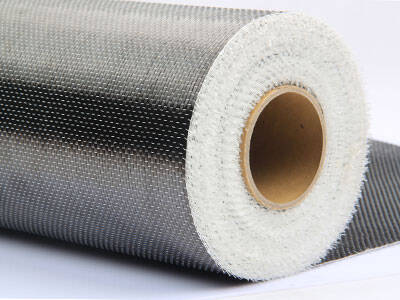
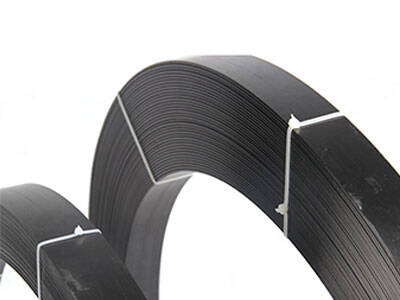
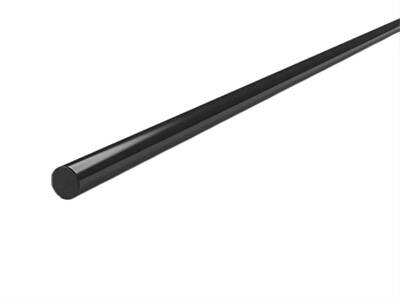
Prestressed carbon fiber reinforced polymer(CFRP) plate for slab, beam strengthening to increase stiffness, reduce distortion and deflection of members, reduce the cracks, avoid and stop cracking.

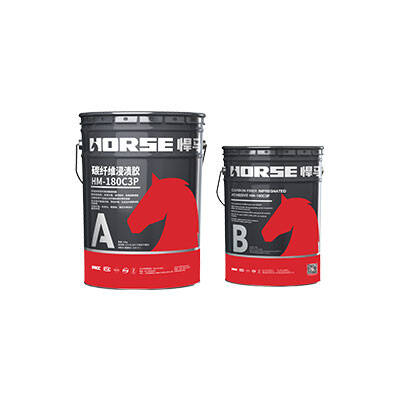
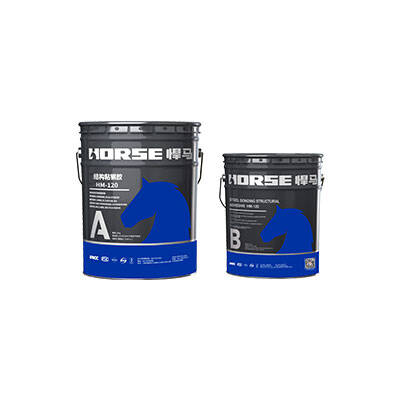
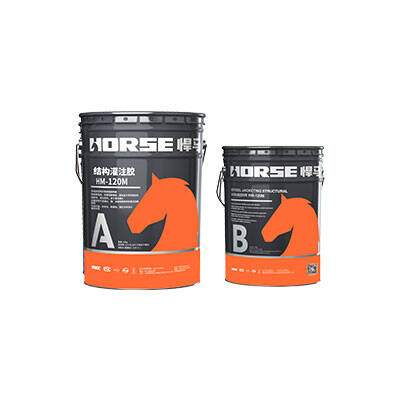
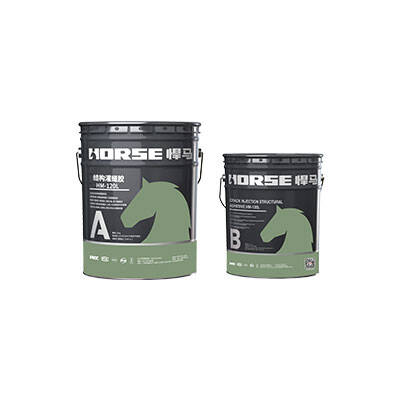
High strength carbon fiber reinforced polymer plate adhesive for applying CFRP laminate/strip/plate on the structural members

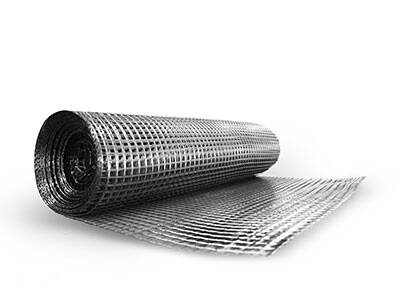
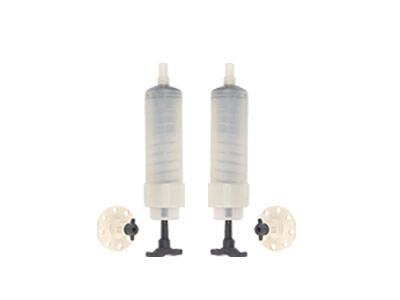
Prestressed carbon fiber laminate circular anchorage system includes rigid anchorage, carbon fiber laminate and adhesive, specially designed for bridges, buildings and steel structure reinforcement.
